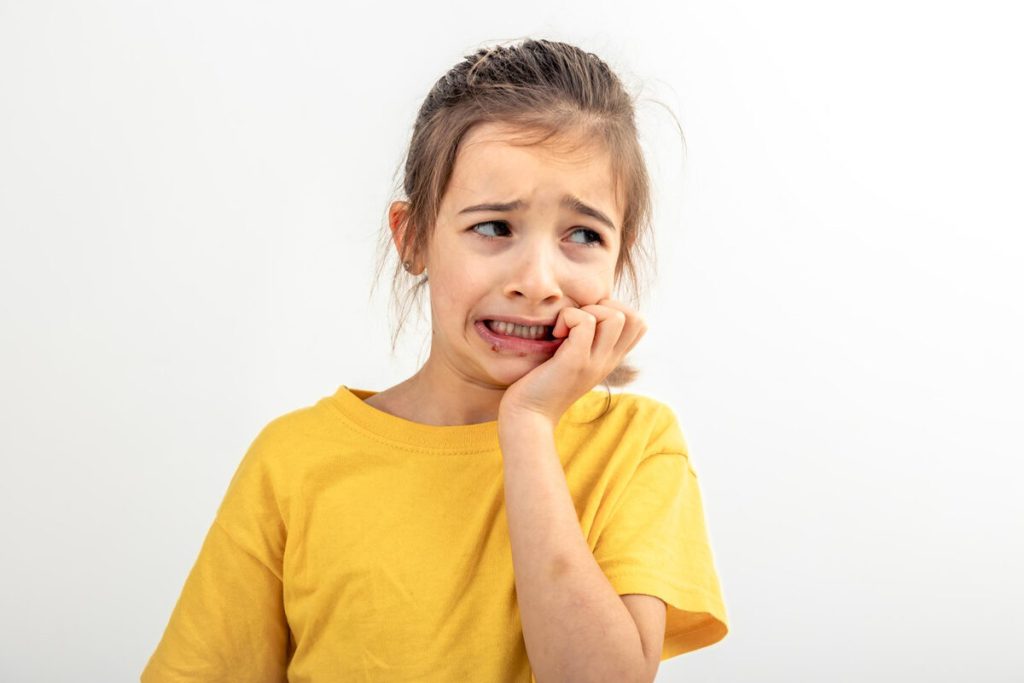

It can be worrying when your child’s breath smells unpleasant, even after brushing. Occasional odor is normal — especially after a meal — but bad breath in kids that lingers may point to an underlying issue.
As a parent, understanding the causes of bad breath in children helps you take early action to restore your child’s oral freshness and confidence.
Bad Breath (Halitosis) in Children:
Bad breath, or halitosis in kids, occurs when odor-causing bacteria multiply inside the mouth. These bacteria release sulfur compounds, creating an unpleasant smell.
Sometimes, it’s temporary — like after eating onions or garlic — and goes away with brushing. However, chronic bad breath that doesn’t improve could be a sign of dental or medical issues.
Early diagnosis is important. Identifying the source early not only helps with kids’ bad breath treatment but also promotes long-term dental hygiene for children and prevents future complications.
Hidden Causes of Bad Breath in Kids:
1. Poor Oral Hygiene and Plaque Buildup:
One of the most common causes of bad breath in children is inadequate brushing and flossing. When food particles are left behind, bacteria feed on them — leading to plaque buildup and bad breath. This buildup also irritates gums, sometimes resulting in redness or inflammation. Encourage your child to brush for two minutes twice a day and clean their tongue to remove odor-causing bacteria.
2. Dry Mouth (Reduced Saliva Flow):
Saliva plays a crucial role in neutralizing bacteria and washing away food debris. When saliva production drops — due to dehydration, mouth breathing, or certain medications — bacteria thrive. This dryness leads to stronger odors and worsens halitosis in kids. Keeping your child well-hydrated and avoiding sugary drinks can help maintain a healthy moisture balance.
3. Cavities or Gum Disease:
Tooth decay or gum infections can also be major contributors to bad breath in kids. When bacteria penetrate tooth enamel or accumulate around gums, they release foul-smelling gases. Regular dental checkups allow early detection of cavities and gum issues before they worsen. If your child’s breath persists even after brushing, book a Dentalpin dentist for treatment to identify and fix the root cause.
4. Sinus or Throat Infections:
Sometimes, bad breath in kids isn’t related to oral hygiene at all. Post-nasal drip from sinus infections or tonsillitis can cause mucus buildup in the throat — a breeding ground for bacteria and odor. If your child also has congestion, coughing, or a sore throat, consult a pediatrician to rule out respiratory causes.
5. Diet and Dehydration
Certain foods, like onions, garlic, or sugary snacks, can make breath smell unpleasant. Sugary diets also promote bacterial growth that leads to plaque buildup and bad breath. Encourage water intake and reduce sticky or processed foods to naturally freshen your child’s mouth. A balanced diet plays a key role in maintaining overall dental hygiene for children.
6. Mouth Breathing or Sleep Habits
Sleeping with an open mouth dries out saliva and allows bacteria to multiply overnight. This often causes morning breath in kids. Encourage nasal breathing and maintain proper room humidity. If the problem persists, discuss it during your child’s kids’ bad breath treatment at the dental office.
When to See a Dentist for Persistent Bad Breath?
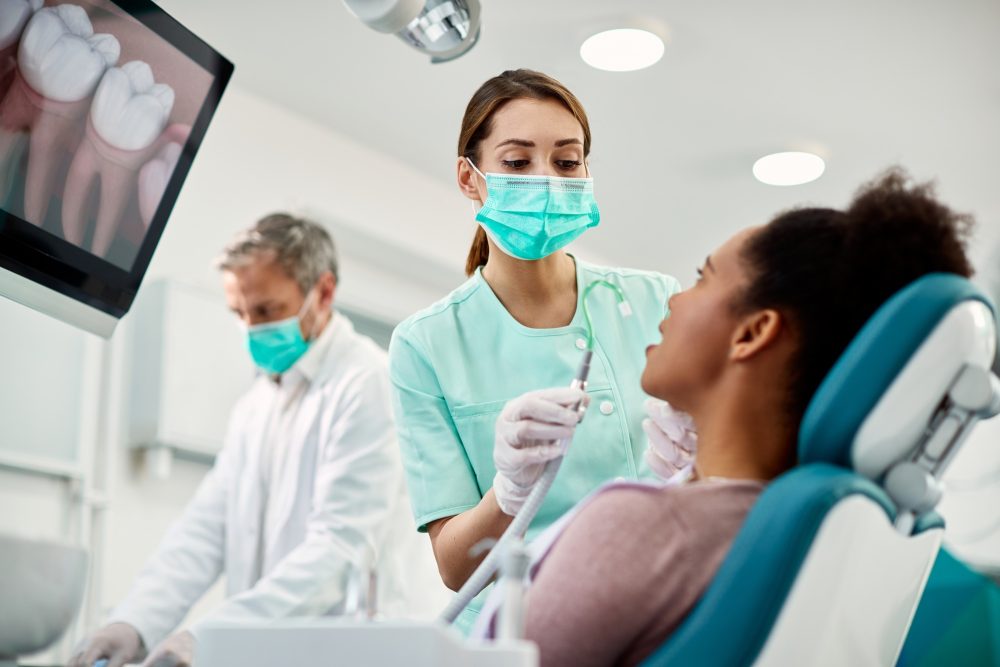
If your child’s bad breath lasts more than a few days — even with proper brushing and hydration — it’s time for a dental visit. Persistent odor may signal gum disease, tooth decay, or other underlying concerns.
During a professional exam, your dentist will:
- Check for plaque buildup and bad breath sources
- Identify hidden cavities or gum inflammation
- Recommend personalized kids’ bad breath treatment plans
- Provide deep cleaning or fluoride therapy if needed
Home Care and Prevention Tips:
Maintaining consistent home care keeps your child’s mouth healthy and odor-free:
- Brush teeth and tongue twice daily with a child-friendly fluoride toothpaste
- Floss once a day to remove trapped food particles
- Offer water frequently, especially after meals
- Limit sticky, sugary snacks and processed foods
- Schedule regular bi-annual dental cleanings
For personalized prevention tips, get in touch with Dentalpin — our dental experts will help your child develop habits for lifelong oral freshness.
Final Thoughts:
While bad breath in kids is common, it’s not something to overlook. With the right hygiene, hydration, and professional care, your child’s smile (and breath!) can stay fresh and healthy. Early intervention makes all the difference — so if your child’s bad breath persists, book a Dentalpin dentist for treatment today and take the first step toward confident smiles and better oral health.
FAQs
What causes bad breath in kids even after brushing?
Poor tongue cleaning, dry mouth, or untreated cavities can still cause odor despite regular brushing.
Can sinus infections cause bad breath in children?
Yes — sinus infections and post-nasal drip can lead to bacterial buildup that causes bad breath.
How can I prevent my child’s bad breath naturally?
Encourage brushing, flossing, hydration, and balanced meals. Consistent dental hygiene for children is the key.
When should I take my child to a dentist for bad breath?
If bad breath persists for more than a few days even after improving oral care, schedule a kids’ dental checkup for evaluation.